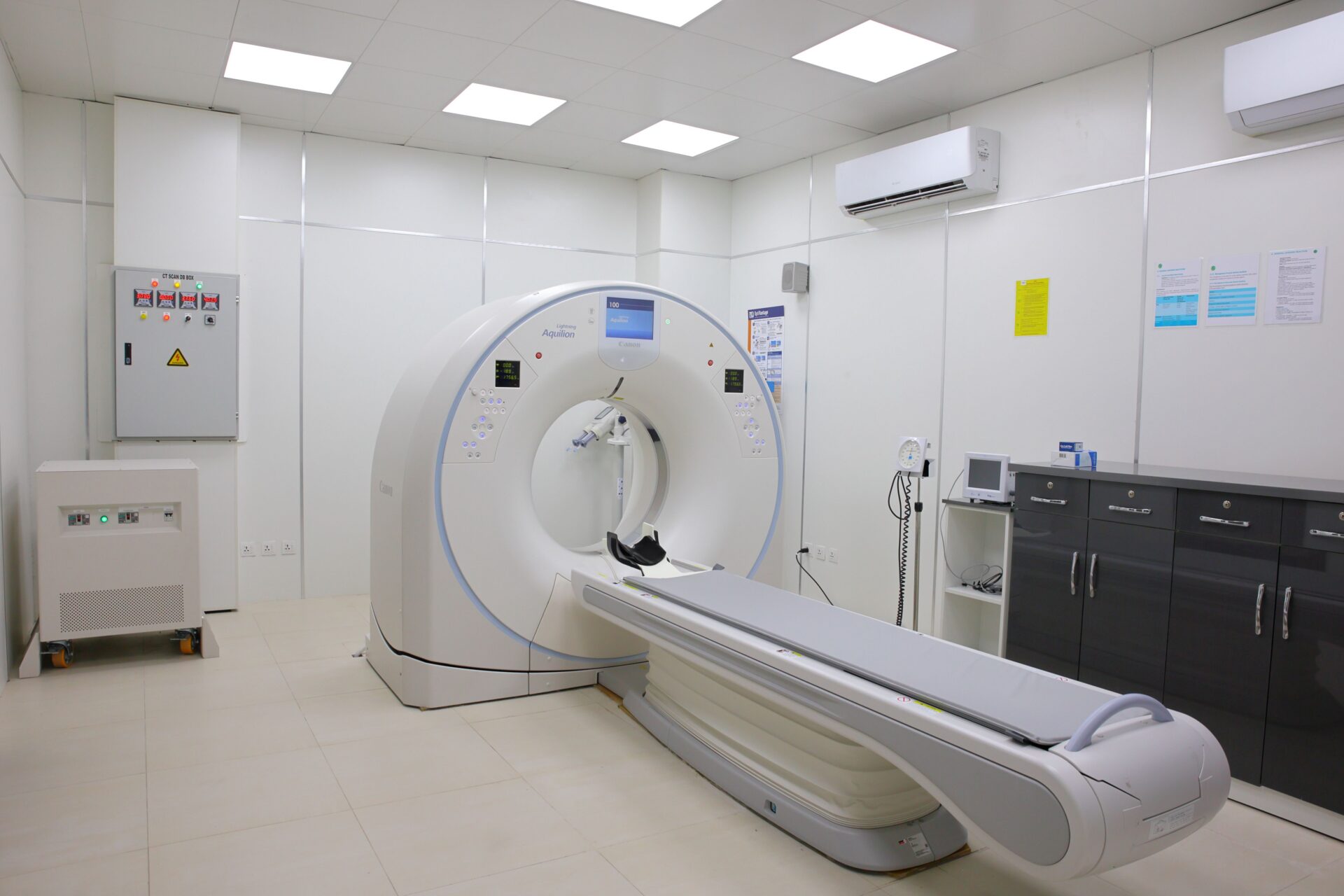
Running a medical practice comes with plenty of expenses. Equipment can be one of the biggest. A dental office may need new imaging technology, while a physical therapy practice might be looking at rehabilitation machines or treatment tables. Home healthcare agencies have their own equipment and vehicle needs to consider.
A large purchase can put a dent in a practice’s cash reserves. That can make it harder to cover payroll, rent, supplies, and other regular expenses. Medical equipment financing gives practices another way to handle these purchases. Instead of paying the entire cost upfront, the expense can be spread across scheduled payments.
The benefits go beyond making a purchase possible. Making the arrangement with medical equipment financing companies can give a practice room to manage its cash flow while preparing for equipment upgrades or future growth.
Key Highlights:
Financing for medical equipment can help practices preserve cash for payroll, supplies, rent, and other day-to-day expenses.
Financing options for medical equipment can make it easier for practices to replace outdated technology or invest in equipment needed for new services.
Predictable equipment payments can make large purchases easier to incorporate into a practice’s monthly budget.
Different financing structures can support individual equipment purchases, larger expansion projects, or short-term working capital needs.
Comparing medical equipment financing companies can help practice owners evaluate rates, repayment terms, fees, collateral requirements, and qualification criteria.
Benefit #1: Keep More Cash Available for Daily Expenses
Medical practices have bills to pay long after a piece of equipment has been installed.
Payroll still needs to be covered. Rent, utilities, supplies, maintenance, and other operating expenses continue as usual. An unexpected repair can also come up at an inconvenient time.
Using financing for medical equipment can help a practice avoid putting a large amount of cash into one purchase. The business can retain some of its available funds while making regular payments on the equipment.
That extra breathing room can matter, particularly for smaller practices. Cash reserves give owners more flexibility when expenses change from one month to the next.
Benefit #2: Replace Outdated Equipment When the Need Arises
Medical equipment does not last forever. Some technology also becomes outdated as newer systems become available.
A practice might know that its current equipment needs to be replaced, but waiting until enough cash has been saved could delay the purchase. That can become a problem when the equipment is tied directly to patient services.
Consider a dental practice with an aging imaging system. A physical therapist may need additional rehabilitation equipment after adding new services. An eye care practice could be looking at new diagnostic technology.
Financing can give businesses another way to handle those purchases without waiting for the entire amount to accumulate in cash.
Benefit #3: Make Large Purchases Easier to Budget
A major equipment purchase can be easier to plan when the cost is divided into regular payments.
Equipment loans may have repayment periods that correspond with the expected useful life of the asset. The reference material notes that equipment loans can provide predictable monthly payments while allowing practices to spread the cost of an asset over several years.
Predictable payments can make monthly budgeting more straightforward. Owners can account for the equipment expense alongside their other fixed costs.
The numbers still need to make sense, of course. Interest, fees, repayment terms, and other costs should be reviewed before signing a financing agreement.
Benefit #4: Compare Different Financing Options for Medical Equipment
A practice does not necessarily have to rely on one type of financing. The right choice can depend on the equipment being purchased, the size of the project, and the practice’s financial circumstances.
SBA 7(a) loans: These can provide flexibility when equipment is part of a larger business project. A practice could potentially use the financing for equipment along with renovations, hiring, or other expansion expenses.
SBA 504 loans: These are designed for substantial, long-term investments. They may be relevant when a practice is purchasing high-value equipment or real estate.
Business term loans: A term loan can provide a lump sum with a defined repayment schedule. The reference material identifies this as an option for practices that need to replace or upgrade equipment without the additional paperwork associated with some SBA programs.
Equipment loans: These are specifically structured around equipment purchases. Depending on the loan, the equipment itself may serve as collateral.
Working capital lines of credit: A line of credit can help with short-term expenses that come with running and growing a practice. It may also help businesses manage gaps caused by delayed insurance reimbursements.
The number of choices can feel overwhelming at first. Comparing financing options for medical equipment based on the actual needs of the practice can make the decision easier to organize.
Benefit #5: Choose a Structure That Fits the Purchase
A financing structure that works for one practice may not make sense for another.
Start with the purchase itself. Is the business replacing a single piece of equipment? Is it outfitting an entire treatment area? Or is the equipment part of a larger expansion?
It can help to consider:
The total equipment cost
How much cash the practice wants to keep in reserve
The expected useful life of the equipment
The projected monthly payment
Whether the equipment will support an existing service or a new one
Whether other business expenses need to be financed at the same time
These questions can give practice owners a clearer picture before they start comparing lenders.
Benefit #6: Know What Lenders May Look At
Getting approved for financing involves more than identifying the equipment you want to purchase. Lenders may review a practice’s cash flow, reserves, time in business, professional experience, collateral, and guarantor requirements. The reference material specifically highlights these factors as part of the broader review lenders may conduct.
Financial records also matter. A lender may want to see information that demonstrates the practice’s revenue and ability to manage its obligations.
For that reason, it helps to have financial documents organized before applying. It also gives owners an opportunity to identify questions they may want to ask about rates, repayment periods, collateral, and other loan terms.
Benefit #7: Compare Lenders, Not Only Loan Types
The financing product is only part of the decision. The lender matters, too.
When researching medical equipment financing companies, practice owners should look at the terms attached to each offer. Two lenders may provide financing for the same piece of equipment but have different rates, fees, repayment periods, or qualification requirements.
It is also worth asking how the lender handles applications and what documentation is required. A clear understanding of the process can prevent surprises later.
The goal is to find financing that fits the purchase and the practice’s financial position. A lower monthly payment, for example, does not necessarily mean a lower overall borrowing cost.
Plan Equipment Purchases With the Bigger Picture in Mind
Medical equipment can represent a significant investment for a healthcare business. Paying for everything upfront may reduce the cash available for everyday operations, while waiting too long to replace equipment can create its own challenges.
Financing for medical equipment can give practices another way to manage these purchases while keeping their broader financial needs in view. Business owners can compare loan structures, repayment terms, and lender requirements before deciding how to proceed.
1West offers financing solutions for businesses considering equipment purchases and other commercial needs. If you are researching medical equipment financing companies, learn more about 1West and explore the available options for your practice.
What to read next
Small Business Financing Solutions - 625 min read
What is Asset Financing: Overview, Importance, and Types
Asset financing can seem complicated, but it’s quite simple. But, the jargon used in the industry can be confusing, especially as some asset financing methods have terms that sound identical, abbreviated, or used interchangeably.
by Cheyne Pierce
July 16, 2019
Small Business Financing Solutions - 625 min read
Is Bookkeeping Hard? Everything You Need to Know
Is bookkeeping hard? The short answer is no. It’s a common misconception that you need a formal education to be a bookkeeper, but anyone with solid math skills and the right resources can do it.
by Nathan Armstrong
August 1, 2022
Let's talk small business.
There’s the 1West way to get smart financing fast — and there’s everything else. We believe in your small business and we believe in our approach. No nonsense. No surprises. Just expert guidance from start to finish.